


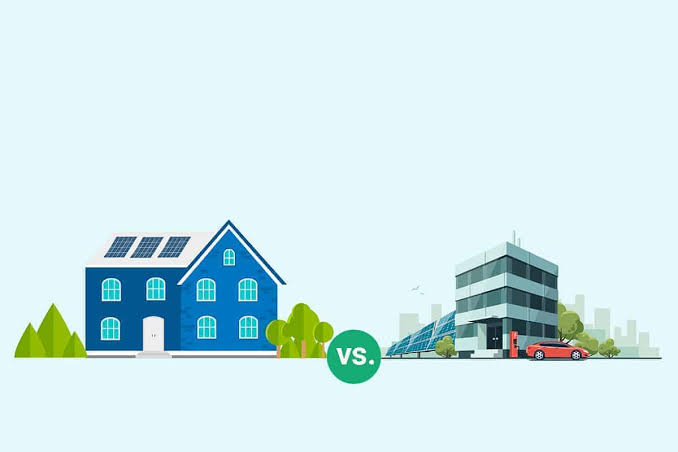
A residential solar system is built around the needs of a single home. A commercial project, on the other hand, has to support much higher energy demands and often involves larger buildings, more equipment and stricter regulations. Because of that, installers cannot follow the same design approach for every project.
Understanding the differences between residential vs commercial solar design is important for a better solar panel system.
In this guide, we'll look at the biggest differences every installer should know before designing either type of project.
At first glance, a residential and commercial solar project might seem similar. Both use solar panels, inverters, and mounting systems to generate electricity. However, once you start planning the project, the differences become obvious.
Everything changes depending on the type of customer you're designing for. The roof, the available space, the equipment, the budget, and even the customer's expectations are completely different.
For example, a homeowner usually wants to save money on monthly electricity bills and have a system that looks good on their roof. A business is more focused on getting the highest return on investment while keeping energy costs low for years to come.
That's why understanding residential vs commercial solar design is so important. It helps installers choose the right equipment, create accurate layouts, and deliver proposals that actually meet the customer's goals.
.png)
The biggest difference between residential solar systems and commercial solar systems is their size. Homes usually need systems between 3 kW and 15 kW, while commercial projects can range from 30 kW to several megawatts.
A larger system doesn't just mean more panels. It also means more electrical components, detailed planning, and higher energy demands. That's why commercial projects require a different design approach from the very beginning.
Residential roofs are usually pitched and have limited space. Chimneys, skylights, vents, and nearby trees can also make panel placement more challenging.
Commercial buildings often have large flat roofs that offer more flexibility. However, HVAC units, water tanks, and maintenance walkways still need to be considered. Understanding the roof layout is one of the first steps in creating an efficient solar design.
Homes usually have a predictable electricity usage pattern, so sizing the system is relatively straightforward.
Businesses are different. Their energy use changes depending on operating hours, equipment, and seasonal demand. That's why commercial solar design requires a deeper analysis of electricity consumption before deciding on the right system size.
Shade can reduce the performance of any solar system, whether it's residential or commercial.
In homes, trees and neighboring buildings are the most common sources of shade. Commercial rooftops often have large HVAC units and other equipment that cast shadows throughout the day. A proper shading analysis helps maximize energy production and avoid future performance issues.
The equipment used depends on the size and complexity of the project.
Residential solar design often uses string inverters or microinverters along with optional battery storage. Commercial systems require larger inverters, advanced monitoring, and additional protection equipment to handle higher energy loads and ensure reliable performance.
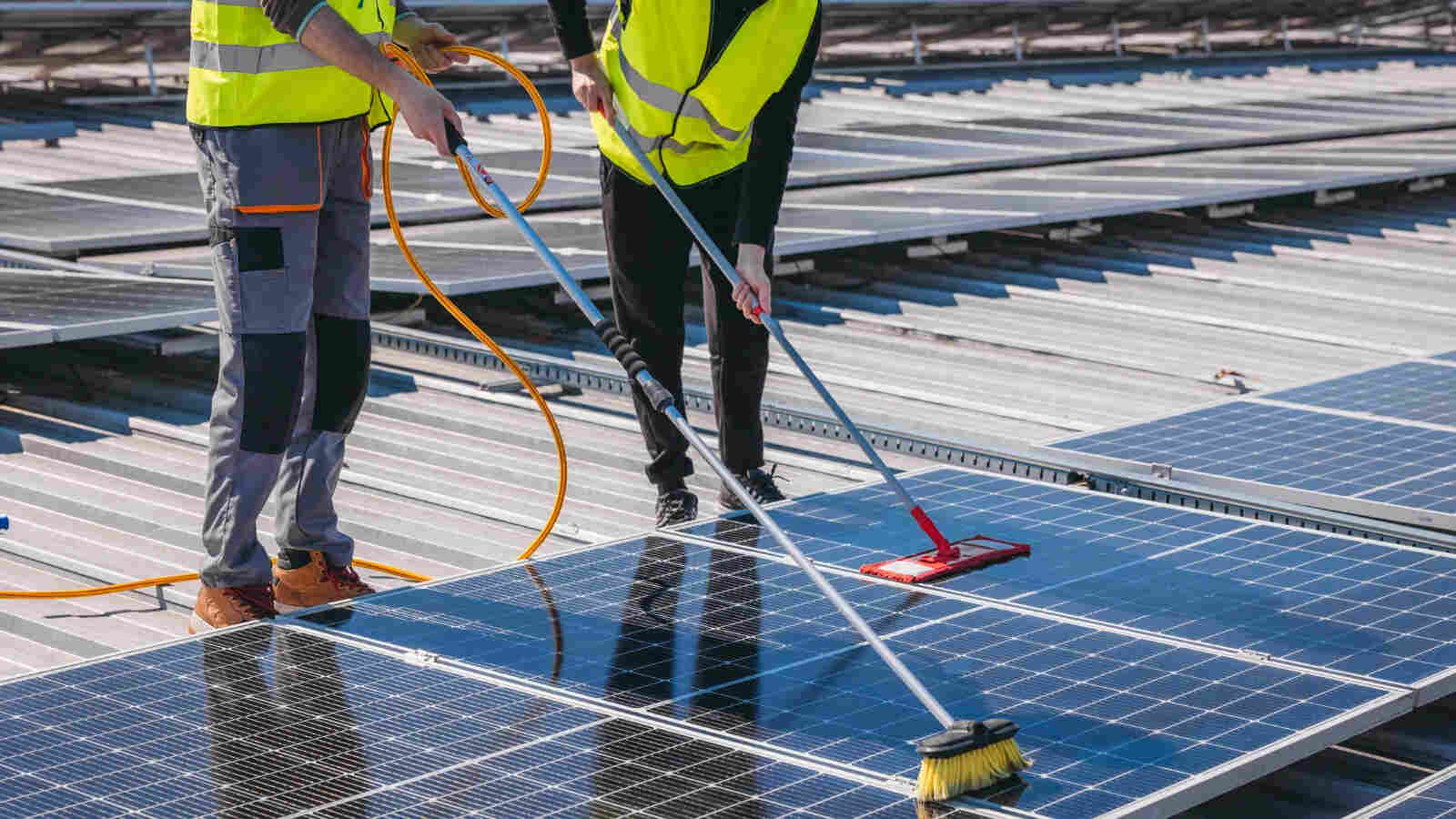
Residential installations are usually completed within a few days after permits are approved.
Commercial projects take longer because they involve larger systems, bigger installation teams, and more coordination. Careful planning is essential to keep the project on schedule and minimize disruption to business operations.
Residential solar permits are generally straightforward and involve the homeowner, the utility company, and local authorities.
Commercial projects usually require approvals from multiple stakeholders, including engineers, building owners, and utility providers. Meeting these requirements early helps avoid delays during installation.
Homeowners mainly want to reduce electricity bills and increase energy independence.
Businesses focus on return on investment, operating cost savings, and sustainability goals. Understanding these priorities helps installers recommend a system that meets the customer's expectations instead of simply maximizing system size.
Most homeowners only need a simple app to track their system's performance.
Commercial installations require more advanced monitoring because businesses need to track multiple inverters, energy production, and equipment health. Regular maintenance is also more important since downtime can affect daily operations.
Residential customers prefer simple proposals that explain costs, savings, and payback in an easy to understand way.
Commercial customers expect much more detail. They often need financial projections, production estimates, and technical specifications before making a decision. A clear proposal builds confidence and improves the chances of winning the project.
Whether you're working on a home or a large commercial building, a well planned design can save time during installation and improve the system's long term performance. Here are a few best practices every installer should follow.
.jpg)
Even experienced installers can run into problems if the planning stage is rushed.
One common mistake is sizing the system without properly analyzing the customer's energy usage. This can result in a system that's either too small or larger than necessary.
Another mistake is underestimating the impact of shading. Even a small amount of shade can reduce the overall performance of the system if it's ignored during the design process.
Installers should also avoid overlooking future energy needs. A homeowner may plan to add an electric vehicle charger, while a business may expand its operations in the coming years.
Thinking ahead helps create systems that continue to deliver value long after installation.
Q. 1. What is the biggest difference between residential and commercial solar design?
Ans. The biggest difference is the scale of the project. Residential systems are designed for homes with lower energy needs, while commercial systems are built for businesses that consume much more electricity and require more detailed planning.
Q. 2. Is commercial rooftop solar harder to design?
Ans. Yes. While commercial rooftops usually offer more space, they also have more obstacles like HVAC units, skylights, and maintenance pathways. Designers also need to consider structural requirements and electrical infrastructure.
Q. 3. Why is shading analysis so important?
Ans. Shade reduces the amount of sunlight reaching the panels, which lowers energy production. A proper shading analysis helps installers place panels where they'll perform their best throughout the year.
Q. 4. Can the same equipment be used for residential and commercial projects?
Ans. Not always. Residential systems typically use smaller inverters and electrical components, while commercial projects often require larger inverters, additional protection equipment, and more advanced monitoring systems.
Q. 5. What should installers consider before designing a solar system?
Ans. They should evaluate the customer's energy usage, roof condition, available space, shading, budget, and future electricity needs before deciding on the final system design.
Q. 6. Why is a professional solar proposal important?
Ans. A well-prepared proposal helps customers understand the system, expected savings, project costs, and return on investment. It also builds trust and increases the chances of winning the project.
.png)
Understanding the differences between residential and commercial solar design helps installers make better decisions at every stage of the project. It leads to more accurate system sizing, better energy production, smoother installations, and happier customers.
As solar projects continue to grow in size and complexity, having the right tools can make a huge difference. ARKA 360 helps solar professionals design faster, analyze shading more accurately, generate detailed proposals, and manage projects with confidence.
Whether you're working on a home or a large commercial facility, the right solar design software can help you deliver better results while saving time and effort.

