


.jpg)
Your solar panels work the hardest when the sun is shining, but that's not always when you need the most electricity. For many homes and businesses, energy demand peaks in the evening when solar production starts to drop.
Without a battery, that extra solar energy often goes back to the grid. With a battery, you can save it and use it later when it matters most.
That's why solar battery system design is becoming just as important as the solar panels themselves. The goal isn't simply to add a battery to a solar system. It's to make sure every component works together so the system delivers reliable performance and lowers electricity costs.
In this guide, we'll walk through the best practices for designing smarter battery storage systems in 2026.
Solar battery system design is the process of deciding how a battery fits into a solar installation. The goal is to make sure the battery stores the right amount of energy and delivers it when it's needed most.
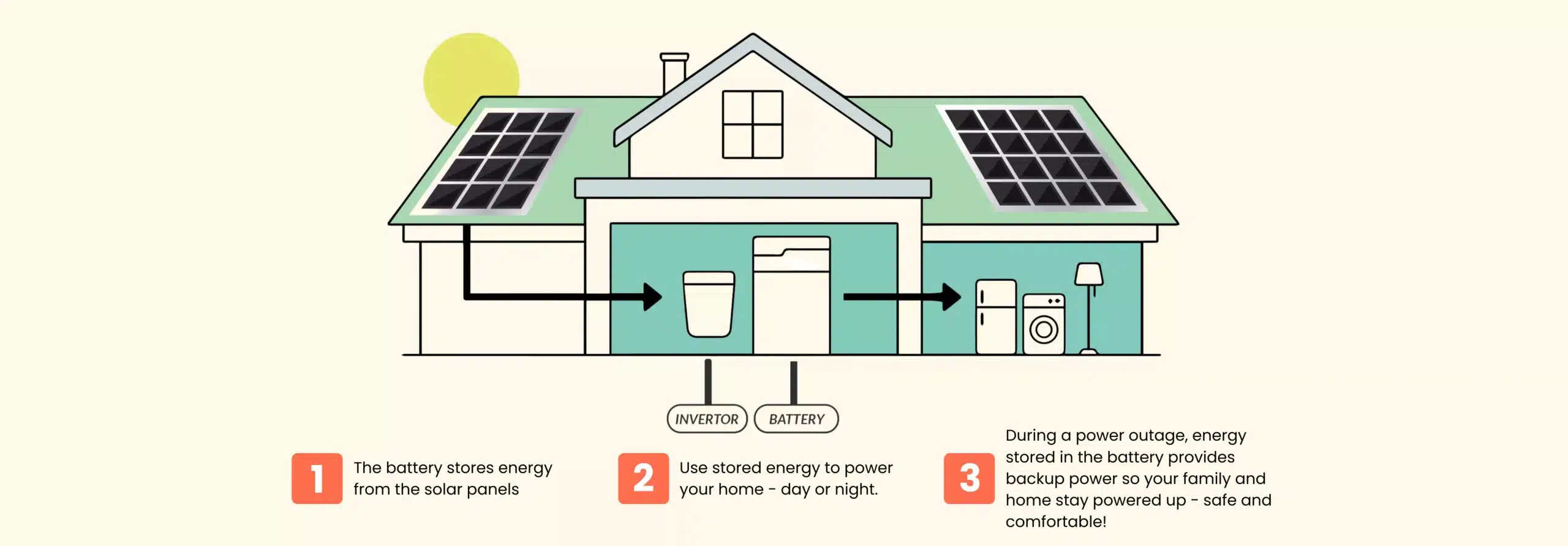
Think of the battery as a savings account for solar energy. During the day, your panels often generate more electricity than you can use. Instead of sending all that extra energy back to the grid, the battery stores it so it can be used later in the evening, during cloudy weather, or when the power goes out.
Sounds straightforward. But a lot is happening behind the scenes.
The idea isn't to install the biggest battery available. It's to install the right one.
Battery storage has quickly gone from being an optional upgrade to something many customers ask about before installing solar.
There are a few reasons for that. Electricity prices are rising, power outages are becoming more frequent in many areas, and people are seeking to rely less on the grid. A battery helps with all of these, but only if the system is designed properly.
Imagine buying a large suitcase for a weekend trip. It works, but you're carrying around more than you actually need. Now imagine taking a small backpack on a two-week vacation. That doesn't work either.
Battery sizing is similar. A battery that's too large can increase costs without adding much value. One that's too small may not provide enough backup or store enough solar energy.
A balanced system is always the better choice.
It also helps to think beyond today's needs. A customer who only wants backup for a few appliances today might buy an electric vehicle next year or decide to add more solar panels later. A design that allows for future expansion can save a lot of time and money down the road.
No two customers use electricity the same way, so no two battery systems should be exactly alike.
Before choosing any equipment, designers usually look at a few key things:
These answers shape the entire design.
For example, a family that's away during the day usually uses more electricity in the evening. In that case, storing daytime solar energy for later makes perfect sense.
A business, however, might use the most electricity during working hours. Their battery may be designed to reduce peak demand charges instead of providing overnight backup.
The customer's goals should always come before the equipment.
One of the biggest mistakes in any project is choosing equipment before understanding what the customer actually wants.
Start with a conversation instead.
Are they mainly looking for backup power? Do they want to lower their electricity bills? Are they planning to become less dependent on the grid? Or are they simply preparing for future energy needs?
Once these questions are answered, the design becomes much clearer.
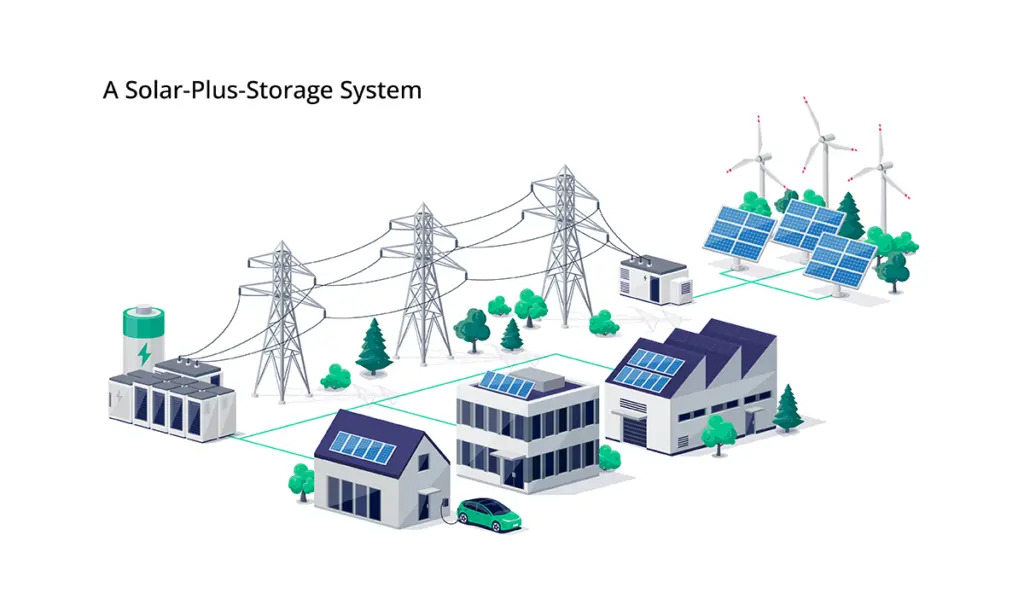
A good solar plus storage design balances the solar array, battery, and inverter so they work as one system. If one component is much larger or smaller than the others, performance can suffer.
It's also worth remembering that more isn't always better.
If the customer doesn't generate enough extra solar energy to charge it, part of that battery may sit unused.
Many customers prefer to add storage later, after they've lived with solar for a while. Others may be waiting for battery prices to come down.
That's why planning is such a smart move.
A battery-ready solar design simply means preparing the system so adding a battery later is easy. It could involve choosing a hybrid inverter, leaving space for future equipment, or making sure the electrical setup can support battery storage.
These small decisions don't add much effort during installation, but they can save a customer from expensive upgrades later.
For most homeowners, the biggest priorities are lower electricity bills and backup power. They usually want enough stored energy to keep essential appliances running during an outage while making better use of the solar energy they generate each day.
Businesses have a different goal.
For them, downtime can be expensive. A battery may help keep critical equipment running, reduce demand charges, or avoid interruptions that affect day-to-day operations.
That's why residential battery storage and commercial battery storage aren't designed the same way. The battery may look similar, but it's solving a different problem.
A good battery system isn't just about the hardware. The real value comes from thoughtful planning.
Here are a few practices that can make almost any project perform better:
None of these is complicated on its own, but together they can have a big impact on how well the system performs.
It's also worth remembering that a battery doesn't have to do everything. Some customers only need a few hours of backup, while others want maximum energy savings. Designing around those priorities usually delivers better results than trying to create a one-size-fits-all system.
Modern batteries are becoming smaller, more efficient and capable of storing more energy than ever before. Many systems can now charge and discharge automatically based on electricity prices, energy usage, or even the weather forecast.
Artificial intelligence is changing the way batteries operate. Instead of following a fixed schedule, batteries can learn energy consumption patterns and decide the best time to store or use electricity. This helps maximize savings with minimal effort from the user.
One of the most exciting developments is the rise of virtual power plants. Instead of working independently, thousands of connected home batteries can work together to support the electricity grid during periods of high demand. While this is still developing in many regions, it's expected to become much more common over the next few years.
At the same time, battery prices continue to fall, making storage a realistic option for more homes and businesses. What was once considered a premium upgrade is quickly becoming a standard part of many solar installations.
As these technologies continue to evolve, the importance of good solar battery system design will only grow.
Q. 1. What is a solar battery system design?
Ans. It is the process of designing a solar system so that the battery, solar panels, and inverter work together efficiently. A good design helps maximize energy storage, improve performance, and prepare the system for future needs.
Q. 2. What is a solar plus storage design?
Ans. A solar plus storage design combines solar panels with a battery storage system. This allows excess solar energy to be stored during the day and used later instead of relying entirely on the grid.
Q. 3. Can I add a battery to my existing solar system?
Ans. Yes. Many existing solar systems can be upgraded with battery storage. However, it's important to check whether the inverter and other equipment are compatible before adding a battery.
Q. 4. What is a battery-ready solar design?
Ans. A battery-ready solar design prepares a solar installation for future battery storage. It makes it easier and more affordable to add a battery later without making major changes to the system.
Q. 5. Is residential battery storage worth it?
Ans. For many homeowners, yes. It helps store excess solar energy, provides backup during power outages, and reduces dependence on grid electricity.
Q. 6. How is commercial battery storage different?
Ans. While the technology is similar, commercial battery storage is often designed to reduce operating costs, lower demand charges, and keep essential business operations running during power interruptions.
A well-planned solar battery system design does much more than add backup power. It helps customers use more of the energy they generate, reduce their dependence on the grid, and prepare for future energy needs.
As battery storage becomes a standard part of solar projects, thoughtful planning will be the key to getting the best results. ARKA 360 makes it easier to design accurate, future-ready systems and deliver better proposals with solar design software.

