

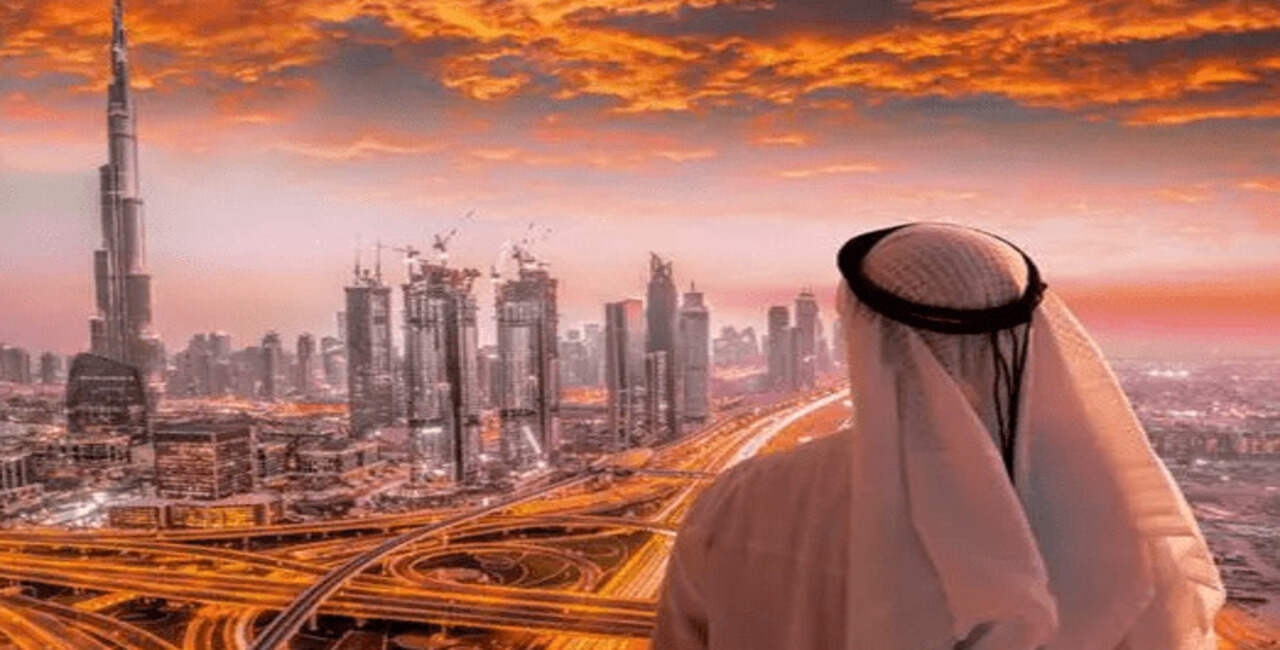
The Middle East is going through a quiet but powerful energy shift. For a long time, the region was known mainly for oil and gas and big infrastructure projects. But today solar power is taking center stage.
You can see it in the deserts and on rooftops and across industrial zones. Solar panels are going up fast and investments are flowing in. Governments are pushing hard and private companies are stepping in with confidence. Middle East solar market growth is no longer just a plan. It is happening right now.
What makes this even more interesting is that the region is perfectly suited for solar. There is strong sunlight almost all year round and plenty of open land and growing cities that need more power. At the same time countries want to cut carbon emissions and reduce their dependence on oil. So solar fits naturally into the bigger picture.
For EPC companies and software partners this is a big opportunity. The solar energy market in the Middle East is expanding across utility projects and business rooftops and even homes. And with plans like Saudi Vision 2030 driving large investments, the market is only going to get stronger.
In this blog, we will talk about why solar is growing so fast in the Middle East and where the biggest solar EPC opportunities in the Middle East are and why Saudi Arabia and the UAE are leading the way and what the Middle East solar market forecast 2030 looks like.
First, there is the sun. The Middle East gets strong sunlight almost every day. This means solar panels produce more power here than in many other parts of the world. More power means better returns and that makes projects more attractive.
Second, there is a growing demand. Cities are expanding and businesses are growing and populations are rising. All of this needs electricity. Depending only on fossil fuels is expensive and risky. Solar offers a clean and stable option.
Third, there is government support. Countries across the region are setting clear, clean energy goals. They are creating policies and tenders that make it easier to build solar projects. This strong backing is one of the biggest reasons renewable energy in the Middle East is growing so quickly.
And finally people are becoming more aware. Companies want to reduce their carbon footprint and governments want to meet climate commitments. Solar helps with both.
When you put all of this together it is easy to see why solar is taking off so fast.
The solar energy market in the Middle East has grown a lot in a short time. Not too long ago large solar plants were rare in the region. Today they are everywhere and getting bigger each year.
Countries like the UAE and Saudi Arabia are building some of the largest solar parks in the world. Egypt has developed one of the biggest solar complexes globally. Oman and Jordan are also moving quickly.
One big reason for this growth is cost. Solar panels are cheaper and better than they used to be. Technology has improved and financing is easier. This has made solar one of the most affordable power sources in the region.
In many places, solar is now cheaper than gas or diesel. That is a big deal. It means utilities and businesses can save money while also going green.
The market is also not limited to big projects. Factories and warehouses and shopping centers are installing solar on their roofs. Even homeowners in some countries are starting to look at solar seriously.
All of this is pushing strong Middle East solar market growth across the board.
One of the biggest drivers of utility scale solar Middle East growth is large government backed projects. These are huge solar plants that send power directly to the grid.
Projects like the Mohammed bin Rashid Al Maktoum Solar Park in Dubai and the Sakaka Solar Plant in Saudi Arabia show how serious the region is about solar. These are not small pilot projects. They are massive and highly efficient.
Utility scale solar is popular because it delivers a lot of power at a low cost. It also helps countries use less oil and gas for electricity. That frees up fuel for export and improves energy security.
Most of these projects are developed through long term agreements which makes them less risky for investors. This is why global developers are very interested in the region.
For EPCs this means large project pipelines. For software partners it means demand for tools that can handle big designs and complex planning.
.jpg)
When people talk about solar projects in Saudi Arabia UAE, they are talking about the heart of the Middle East solar boom.
Saudi Arabia is pushing solar as part of Saudi Vision 2030. The goal is to reduce dependence on oil and build a more diverse economy. Renewable energy is a key part of that plan.
The country is launching large tenders and building new solar parks across different regions. International developers are partnering with local companies. This has created strong solar EPC opportunities in Saudi Arabia.
The UAE has been active in solar for years. Dubai and Abu Dhabi have invested heavily in solar parks and clean energy projects. The country has clear targets and moves fast when it comes to execution.
Together, Saudi Arabia and the UAE are shaping the future of the renewable energy Middle East market. Other countries are following their lead.
With the Middle East solar market growth picking up speed EPC companies are in a very good position.
There is strong demand across different segments. Utility scale projects need experienced EPCs who can manage large sites and tight timelines. Commercial and industrial customers need reliable partners to install rooftop systems. Even residential solar is slowly growing.
This means EPCs can build steady pipelines and long term business. The key is being ready and responsive.
Companies that can design quickly and price accurately and deliver on time will stand out. Those who still rely on slow manual processes may struggle.
Overall, the solar EPC opportunitiesin the Middle East are wide open for companies that are prepared.
.png)
Among all markets, solar EPC opportunities in Saudi Arabia are especially strong.
The country is investing heavily in renewable energy under Saudi Vision 2030. Large solar tenders are being released and new projects are announced regularly. Many of these projects are hundreds of megawatts in size.
This creates work not just for large EPC firms but also for subcontractors and local partners. There is also growing demand from factories and logistics centers that want to cut energy costs.
Saudi Arabia is moving fast and the scale is big. For EPCs this is one of the most exciting markets right now.
Looking ahead the Middle East solar market forecast 2030 looks very strong.
Saudi Arabia plans to add large amounts of solar capacity. The UAE continues to expand its projects. Egypt is growing. Oman and Kuwait are moving forward. Even countries that were slower to adopt solar are now stepping in.
By 2030 solar is expected to be a major part of the region’s energy mix. This growth is not expected to slow down. In fact, it is likely to accelerate.
For EPCs this means long term opportunity. For software partners it means more users and more demand for digital tools.
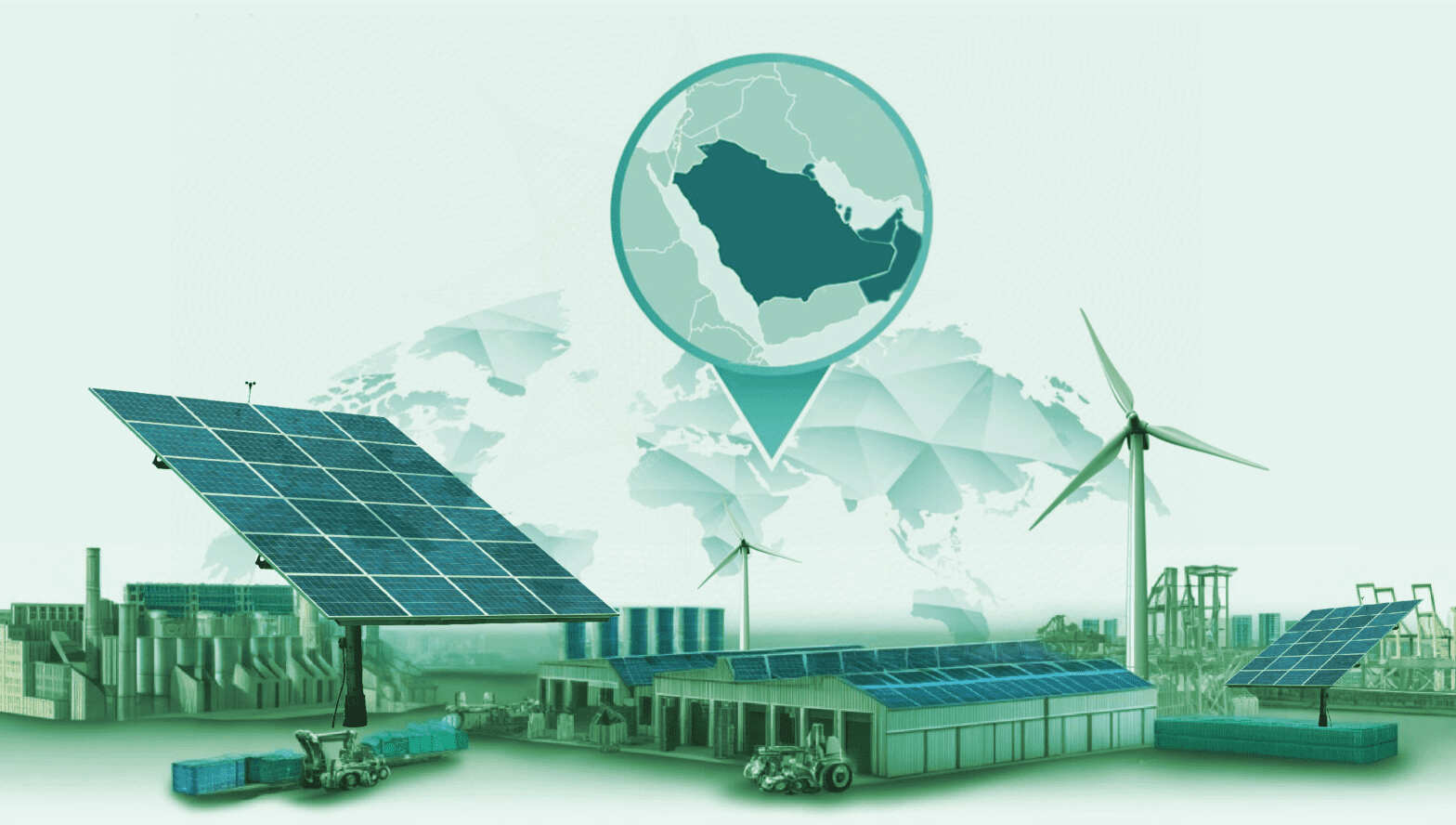
The push for renewable energy in the Middle East is not just about clean power. It is also about the future of the economy.
By investing in renewables countries can create new jobs and new industries. They can reduce fuel subsidies and improve air quality. They can also strengthen energy security.
This is why solar is not a short term trend here. It is part of long term national planning.
For EPCs and software partners, this makes the market more stable and predictable.
Q1. Why is the Middle East solar market growing so fast?
Ans: The region has strong sunlight and rising energy demand and strong government support. These factors together are driving rapid Middle East solar market growth.
Q2. Which countries are leading the solar energy market in the Middle East?
Ans: Saudi Arabia and the UAE are leading the solar energy market in the Middle East, with Egypt and Oman also growing quickly.
Q3. What role does Saudi Vision 2030 play in solar growth?
Ans: Saudi Vision 2030 focuses on reducing oil dependence and expanding renewable energy, which has created large scale solar projects and strong EPC demand.
Q4. What are the biggest solar EPC opportunities in the Middle East?
Ans: The biggest solar EPC opportunities in the Middle East are in utility scale solar plants and commercial and industrial rooftop projects, especially in Saudi Arabia and the UAE.
Q5. How does the Middle East solar market look by 2030?
Ans: The Middle East solar market forecast 2030 shows strong growth, with solar becoming a major part of the region’s energy mix.
.png)
The Middle East is clearly on a path of solar growth. The Middle East solar market growth is strong and steady. From utility-scale solar projects in the Middle East to business rooftops, and from solar projects in Saudi Arabia and the UAE to new markets opening up, the momentum is real.
As the region builds more solar projects, EPCs will need better workflows and faster designs and professional proposals.
This is where ARKA 360 can support teams by helping them design and present projects more efficiently. And when EPCs choose the right solar design software they put themselves in a stronger position to win more projects in one of the world’s fastest growing solar markets.

