


.jpg)
Not long ago, solar was considered expensive and experimental and unreliable. Many utilities treated it as a side project while coal, gas and nuclear remained the backbone of power generation. The situation has completely changed now.
Across the world, solar has become the cheapest way to produce electricity. Not just cheaper than coal. Not just cheaper than gas. But cheaper than every other major source of power.
This is not marketing. This is not optimism. This is data.
Why is solar energy so cheap? The real answer is a powerful mix of technological progress, global competition and changing economics.
This shift is not small. It is historic. And it is forcing utilities to rethink how they plan, how they invest and how they operate.
In this blog, we will clearly explain why solar energy is so cheap, explore solar electricity cost per kWh by country, compare sources using renewable energy cost comparison, and break down solar energy cost vs coal, solar energy cost vs fossil fuels, and overall solar power economics in simple, easy language.
The first and most important question is why solar energy is so cheap today when it was expensive just a decade ago?
The answer lies in scale efficiency and learning.
Solar panel manufacturing has exploded globally. Factories now produce millions of panels every month. This massive scale reduces cost. When production increases, solar prices fall and when competition increases, innovation accelerates.
China started this scale but India, Vietnam, Malaysia and other countries followed. Now, solar manufacturing is truly global. This competition keeps prices under pressure and quality high.
At the same time, panel efficiency has improved. Modern panels generate more electricity from the same amount of sunlight. So utilities need fewer panels to produce the same power. This reduces material cost, transport cost and installation cost.
Inverters are more reliable. Mounting systems are lighter. Installation methods are faster. And labor productivity has improved.
Developers have learned how to build projects better. Engineers have learned how to design systems more smartly. Financiers have learned how to structure deals more efficiently.
All of this combined makes the cost of solar electricity fall every year.
And unlike fossil fuels, solar has no fuel cost. There is no coal to buy. There is no gas to import. There is no oil to transport. The sun is free.
There is also no price volatility. There are no supply shocks. There are no geopolitical risks.
One of the strongest ways to show that solar is now the world’s cheapest electricity source is to look at actual cost data from different countries around the world. Cost is commonly measured as the levelized cost of electricity (LCOE) which represents the lifetime average cost to build, operate and maintain a power plant expressed per kilowatt-hour of electricity generated.
According to the International Renewable Energy Agency or IRENA solar power is now one of the cheapest sources of electricity in the world and in 2024 the global average cost of utility scale solar was just USD 0.043 per kWh.
China leads with very low costs at around USD 0.033 per kWh and India follows closely at USD 0.038 per kWh which makes solar highly affordable in both countries. The United States sees higher costs at USD 0.070 per kWh mainly because labor permitting and grid connection are more expensive.
Many European countries also have higher costs due to permitting and grid integration but solar is still competitive compared to coal gas and other fossil fuels.
So even with regional differences solar is no longer expensive and it is quickly becoming the smartest choice for power generation.
Cost trends over time clearly show how fast solar economics have changed and between 2010 and 2023 the cost of solar power dropped by up to 93 percent in countries like Australia and Korea and by 76 percent in the United States which highlights major improvements in technology and lower installation costs.
India has seen an even sharper fall and the cost of utility scale solar per kWh has dropped by about 91 percent since 2010 which has made India one of the most competitive solar markets in the world.
When looking solely at solar data, you also see why utilities and governments are turning toward renewables. According to IRENA, solar power at an average of USD 0.043 per kWh was about 41% cheaper than the least-cost fossil fuel alternative in 2024 which underscores solar’s competitive advantage.
If you look beyond averages and focus on real market prices you can see just how cheap solar has become. In India recent solar auctions are showing prices between Rs 2.48 and Rs 2.68 per kWh which is roughly USD 0.032 to USD 0.035 per kWh and this proves that strong competition is pushing prices down.
In places with lots of sunlight and supportive government policies, solar projects are even coming in below USD 0.04 per kWh especially with solar plus storage and this makes solar an even more practical and reliable choice for clean power.
When energy agencies publish renewable energy cost comparison reports, the result is consistent. Solar is at the top.
Wind is competitive in many regions. Hydropower is cheap where geography allows. But solar has a unique advantage. It can be deployed almost anywhere and it can be deployed quickly.
Coal plants take years. Gas plants require pipelines. Nuclear plants take decades. Solar farms can be completed in months.
This speed matters.
Utilities face growing demand. They cannot wait ten years for a plant to be ready. They need power now. This is why, in almost every renewable energy cost comparison, solar appears as the most practical choice.
It is cheap. It is fast. And it is scalable.
.jpg)
One of the most remarkable things about solar is that the cost of solar electricity continues to decline even after becoming the cheapest source. This is rare in energy.
Coal costs rise because mining becomes harder and regulations increase.
Gas prices fluctuate because of global markets and political events.
Oil prices swing because of supply and demand.
But solar costs fall. Panels get more efficient. Manufacturing gets more automated. Installation gets faster. Financing gets cheaper.
Every year, developers find new ways to reduce costs. Every year, the supply chain becomes smoother. So the cost of solar electricity story is not over. It is still improving.
And as battery storage becomes more affordable, solar will become even more valuable because utilities will be able to store excess energy and use it when demand is high.
This will further strengthen solar’s position.
For decades, coal was king. It was cheap. It was reliable. It powered industries and cities. That era is ending. Today, solar energy cost vs coal is not a close fight.
New coal plants are expensive. They require pollution control. They face regulatory pressure. They depend on fuel supply. Solar plants require none of that. Once built, they operate with minimal maintenance and zero fuel cost.
When utilities compare solar energy cost vs coal for new projects, solar wins on price, speed and risk. This is why many coal plants are being retired early. It is cheaper to replace them with solar than to keep running them.
If we expand the comparison to solar energy cost vs fossil fuels including gas and oil, the gap becomes even wider. Gas prices can spike. Oil prices can crash or surge. Political events can disrupt supply overnight.
Solar is immune. Once a solar plant is built, the cost is locked in for decades. Utilities love predictability. Investors love stability.
When comparing solar energy cost vs fossil fuels, solar offers a lower cost and lower risk. That is a powerful combination.
This is why banks and investors are moving away from fossil projects and toward renewables.
.png)
To understand solar power economics, you do not need spreadsheets.
You invest upfront.
You get free fuel from the sun.
You sell electricity for twenty-five years or more.
There is no fuel purchase. No price volatility. No import dependency. This makes solar power economics extremely attractive.
Even if the initial investment seems high, the lifetime cost is low. And as costs fall, the returns improve. This is why utilities are building solar at record speed.
Utilities are practical. They go where the economics go. And the economics now clearly favor solar. The fact that solar cheapest electricity source is now a reality, which means utilities must change.
Their grids were designed for centralized power. But solar allows decentralized generation. Rooftops, commercial buildings, community projects and utility-scale plants can all coexist.
This reduces transmission losses. It improves resilience. And it creates new revenue models. Utilities that embrace solar can offer stable and competitive pricing. Those who resist will struggle.
The fact that solar is now the cheapest electricity source has massive implications.
Developing countries can electrify villages without building expensive grids.
Island nations can reduce diesel imports.
Remote communities can get reliable power for the first time.
The solar electricity cost per kWh by country data shows that even low-income nations can now afford clean energy. This changes education, healthcare and economic opportunity.
This is not just an energy shift. It is a development shift.
Past energy transitions took decades. Coal replaced wood. Oil replaced coal. Gas replaced oil.
This transition is faster. Because solar is not just cleaner. It is cheaper. When renewable energy cost comparison always shows solar at the top, markets move quickly. This is why gigawatts of solar are being installed every year.
Solar is not perfect. There are challenges with storage. There are challenges with grid integration. There are challenges with land use.
But these are technical problems. And technical problems get solved. Compared to pollution, climate impact and fuel price risk these are manageable.
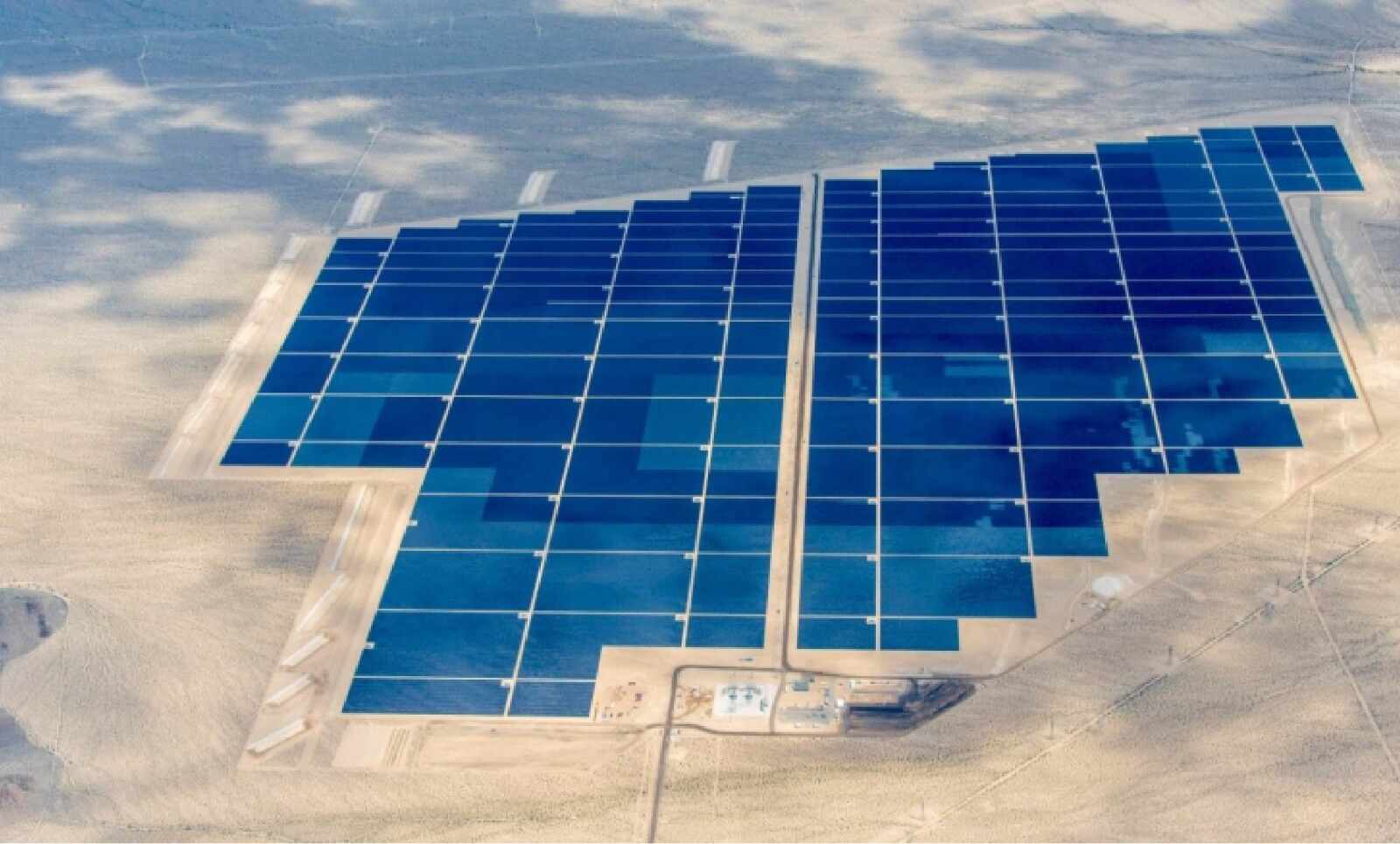
Cheap solar does more than light homes. It powers water pumps. It powers schools. It powers hospitals. It powers internet towers. It enables growth without pollution. So when we talk about solar power economics, we are also talking about human progress.
Q1. Why is solar energy so cheap today?
Ans. Solar panels are mass-produced globally and installation processes are faster and more efficient and solar does not require fuel which removes ongoing cost and price volatility.
Q2. What is the solar electricity cost per kWh by country?
Ans. The solar electricity cost per kWh by country varies by region but in many countries, solar now delivers power cheaper than coal, gas and nuclear especially in high sunlight markets.
Q3. Is solar really the cheapest electricity source in the world?
Ans. Yes, solar is now widely recognized as the cheapest electricity source in most regions according to global energy agencies and utility-scale project data.
Q4. How does solar energy cost vs coal compare today?
Ans. When comparing solar energy cost vs coal, solar is usually cheaper for new projects because coal has fuel transport and compliance costs while solar has none.
Q5. How does solar energy cost vs fossil fuels compare?
Ans. Solar energy cost vs fossil fuels clearly favors solar because fossil fuels face price volatility while solar offers stable, low cost electricity for decades.
Q6. What does the renewable energy cost comparison show about solar?
Ans. Every major renewable energy cost comparison report shows solar as the lowest or near-lowest cost source of new electricity generation across most markets.
.png)
Let us bring everything together.
Why is solar energy so cheap? Because technology improved, manufacturing scaled, competition increased and learning curves accelerated.
As solar adoption accelerates, accurate planning, efficient design and compelling proposals become essential. This is where platforms like ARKA 360 help solar teams scale faster using advanced solar design software.

