


.jpg)
Solar energy is no longer just for new buildings. More homeowners and businesses are now looking at their existing properties and wondering if they can make the switch. The answer is yes in most cases, but there is one important factor that needs attention first, and that is the condition of the roof.
Many buildings have older roofs that were not designed with solar in mind. This is exactly where roof retrofits for solar come into the picture. Instead of replacing the entire roof or delaying your plans, retrofitting allows you to upgrade what you already have so it can support a modern solar system.
The good news is that retrofitting is not as complicated as it sounds. With the right approach, even older roofs can be prepared for efficient and long lasting solar installations.
Roof retrofitting simply means upgrading or modifying an existing roof so that it becomes suitable for solar panel installation. It does not always involve major construction. In many cases, small improvements can make a big difference.
As more people move toward solar, aging roof solar upgrades are becoming a standard part of the process. Instead of seeing an older roof as a problem, it is now treated as something that can be improved and made solar-ready.
The goal is straightforward. Make sure the roof is strong enough, in good condition, and compatible with modern solar systems so that the installation can perform well for years.
Installing solar panels is a long term decision, so it makes sense to ensure that the foundation they sit on is reliable. If the roof is not in good condition, it can create problems later and those problems are expensive to fix.
One of the main reasons retrofitting matters is structural safety. Solar panels add weight, and older roofs may not always be built to handle that. Strengthening the structure helps avoid risks and ensures stability.
Another important reason is avoiding future disruptions. If the roof needs repairs after solar panels are installed, the panels may need to be removed and installed again. This adds both cost and effort.
A proper roof assessment solar process helps identify these issues early. It ensures that the roof is ready before installation begins, which leads to better performance and fewer complications down the line.
Not every roof needs major work, but there are a few clear signs that should not be ignored.
The age of the roof is a good starting point. If it has been more than fifteen or twenty years, it is worth taking a closer look. Visible issues such as cracks, leaks or sagging areas are also strong indicators that some upgrades may be needed.
Sometimes the roof may look fine but may not be strong enough internally. Older construction methods were not designed with solar systems in mind, which is why aging roof solar upgrades become important.
Another factor to consider is the type of roofing material. Some older materials may not work well with modern mounting solutions, which can affect how securely the panels are installed.
.png)
Before anything else, a proper roof assessment solar process is essential. This step gives you a clear understanding of the roof’s condition and what needs to be done.
The assessment usually includes checking for visible damage, evaluating the structure and understanding the materials used. It also looks at how much weight the roof can handle and whether it can support a solar system safely.
At the same time, factors like roof direction, solar panel tilt, and shading are reviewed because they directly affect how much energy the system will produce.
Taking the time for a detailed assessment makes everything that follows much smoother. It reduces surprises and helps create a more efficient design.
Once the assessment is done, the next step is deciding what kind of retrofitting is needed. This depends entirely on the condition of the roof. A professional roof repair assessment can help determine the extent of the damage and the most appropriate solution.
In some cases, simple repairs are enough. Fixing damaged sections or sealing leaks can prepare the roof for installation. In other situations, structural reinforcement may be required to improve strength.
Waterproofing is another important step because it protects the roof and ensures that installing solar panels does not lead to future leakage issues.
Upgrading materials can also help, especially if the existing ones are outdated. Along with this, choosing the right mounting solutions retrofit ensures that the panels are installed securely without damaging the roof.
The idea is not to overdo it but to do exactly what is needed to make the roof safe and reliable.
.jpg)
Mounting systems play a big role in how well a solar installation performs. The right system ensures that panels stay secure while also protecting the roof.
For sloped roofs, flush mount systems are commonly used because they attach directly and follow the shape of the roof. For flat roofs, ballasted systems are often preferred since they do not require drilling.
Tilted systems are used when adjusting the angle of the panels is necessary for better sunlight exposure. Rail based systems are also popular because they provide flexibility and strong support.
Modern mounting solutions are designed to work with different roof types, which makes it easier to install solar panels even on older structures.
Even with retrofitting, installing solar on old roofs comes with a few challenges that should be considered.
One common issue is structural limitation. Older buildings may need extra reinforcement to safely support the system. There can also be hidden problems such as internal damage that only become visible during the process.
Compatibility can sometimes be tricky if the roofing material does not work well with certain mounting systems.
Retrofitting can also add to the initial cost and may slightly extend the solar project timeline. However, these are short term challenges that help prevent bigger issues later.
It is natural to think about cost when planning a solar installation. Retrofitting does require an upfront investment, but it also adds long term value.
By strengthening the roof and addressing potential issues early, you avoid expensive repairs in the future. A well prepared roof also supports better panel placement, which improves energy generation.
Over time, this leads to better savings on electricity and a stronger return on investment. Properties with solar-ready roofs also tend to have higher market value.
So while retrofitting adds to the initial budget, it usually pays off in the long run. This is why roof retrofits for solar are often seen as a smart decision.
The process of retrofitting and installing solar can be broken down into a few simple steps.
It starts with a professional inspection to understand the condition of the roof. Based on this, the necessary upgrades are identified. Then comes the selection of materials and planning of the solar system.
Once everything is clear, the retrofitting work is carried out, and after that, the solar panels are installed.
Following a structured approach makes the process easier and ensures that nothing important is missed.
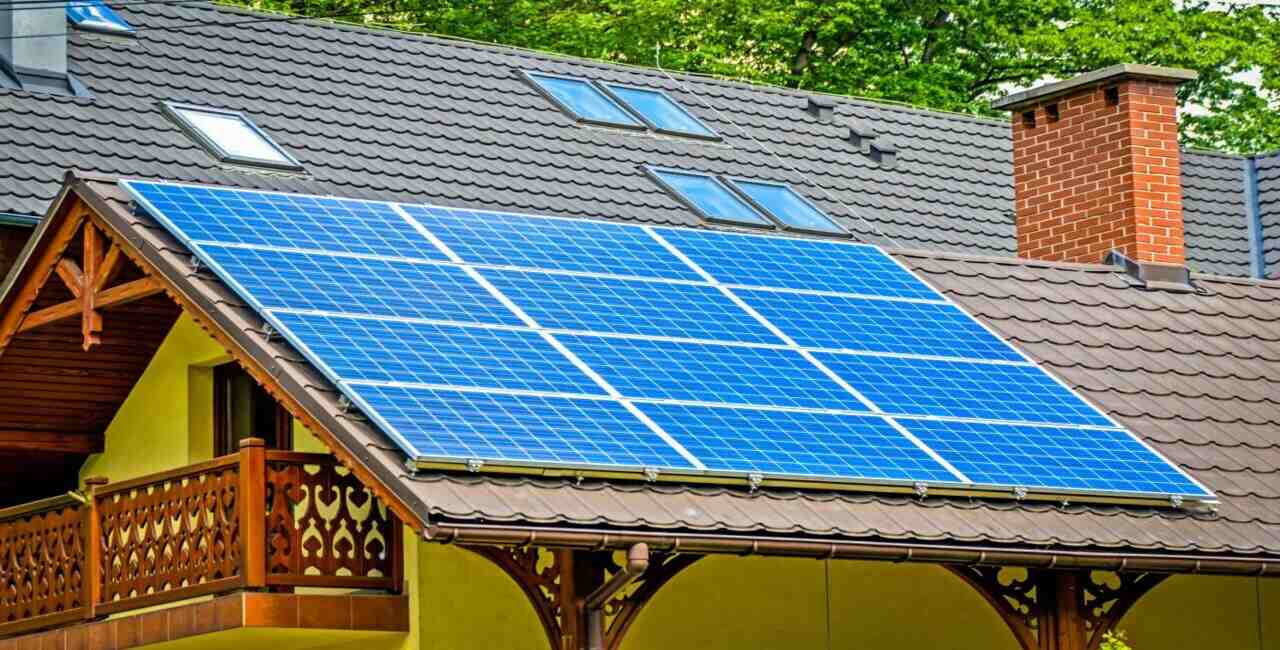
Retrofitting is becoming more advanced as solar technology continues to grow. New materials are making roofs stronger and more durable. Digital tools are improving how roof assessment solar is carried out, which leads to better planning.
There is also a growing trend of integrating solar directly into roofing materials, which reduces the need for separate mounting systems.
At the same time, improvements in mounting solutions retrofit are making installations quicker and more reliable.
All of this means that installing solar on older buildings is only going to become easier in the coming years.
Q. 1: Can I install solar panels on any old roof
Ans. Not always. A thorough roof assessment process helps determine if the roof is suitable or requires upgrades.
Q. 2: How do I know if my roof needs retrofitting
Ans. If the roof is old, damaged, or not structurally strong, then aging roof solar upgrades are likely needed.
Q. 3: Is retrofitting more affordable than replacing the roof
Ans. In most cases, yes. Roof retrofits for solar energy are usually more cost-effective than a full replacement.
Q. 4: What mounting systems are best for older roofs
Ans. It depends on the roof type, but modern mounting solutions offer flexible and secure retrofit options.
Q. 5: Will retrofitting delay the installation process
Ans. It may take a little extra time at the start, but it helps avoid bigger delays later.
.png)
Retrofitting has made it much easier to bring solar energy to existing buildings. Instead of seeing an older roof as a limitation, it can now be improved and prepared for a modern solar system.
With the right planning and a proper approach, roof retrofits for solar help ensure safety, improve performance, and protect your investment over time. It also makes solar more accessible without the need for major structural changes.
Today, tools like solar design software are making the entire process smoother and more efficient. Platforms like ARKA 360 help professionals assess roofs, create accurate designs, and plan installations with greater confidence, which makes adopting solar simpler and more reliable.

