


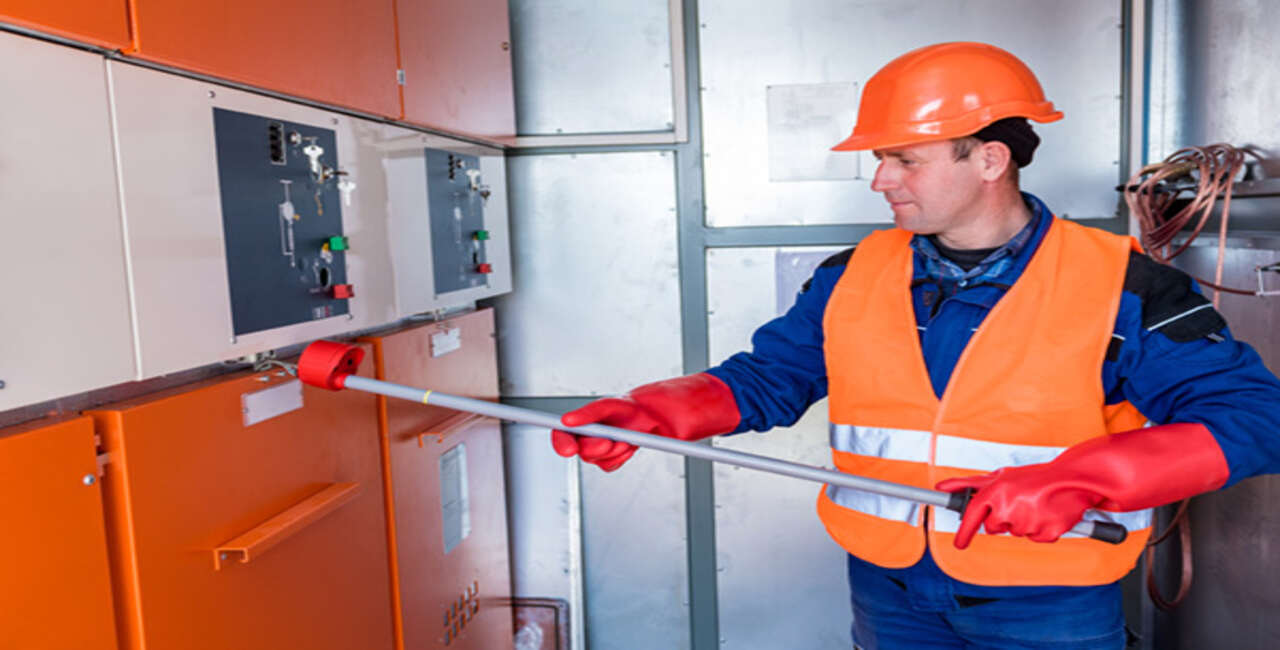
There is a whole team on the ground working with high voltage systems every single day. And that is where things can get risky.
Working with DC electricity is not the same as working with regular household power. It behaves differently, and because of that, it needs a different level of awareness. That’s why DC solar safety training is so important. It is not just about following rules; it is about making sure every person on site goes home safe at the end of the day.
Let us break this down in a simple way so it is easy to understand and apply.
Unlike AC systems, DC behaves differently, and because of that, it introduces unique risks. With AC, current crosses zero regularly, which naturally helps interrupt arcs. But with DC, the current flows continuously, and so arc faults can sustain longer and become more dangerous.
This is why high voltage PV safety requires a deeper level of understanding. Installers are not just connecting wires; they are working with systems that can produce dangerous energy even in daylight conditions.
And because solar panels generate electricity whenever exposed to sunlight, systems are often live even when they appear inactive. So teams need to think differently and act more carefully, at every stage of installation.
Before training begins, teams must understand what they are protecting themselves against. High-voltage DC installations bring several risks, and each one needs attention.
Direct contact with energized components can result in severe injury. DC shocks are particularly dangerous because they can cause muscles to lock, making it harder to release contact.
One of the most serious hazards in solar installations is arc flash. These events release intense heat and energy, and they can cause burns, blindness, or even fatal injuries. That is why arc flash protection solar measures are critical.
Loose connections or poor wiring practices can lead to overheating, and that can result in fires. Since solar systems are often installed on rooftops, fire risks can escalate quickly.
Improper handling or incorrect connections can damage expensive components which leads to solar project delays and increased costs.
Understanding these risks helps teams take safety seriously, and it sets the foundation for effective training.
Training is not just about rules; it is about mindset. Teams that prioritize safety consistently are the ones that avoid accidents.
A strong safety culture starts with leadership. When project managers and supervisors emphasize safety, teams follow. But it also needs to be reinforced daily through practices, communication, and accountability.
Here is how to build that culture:
When safety becomes part of everyday work, it stops feeling like an extra task and starts becoming second nature.
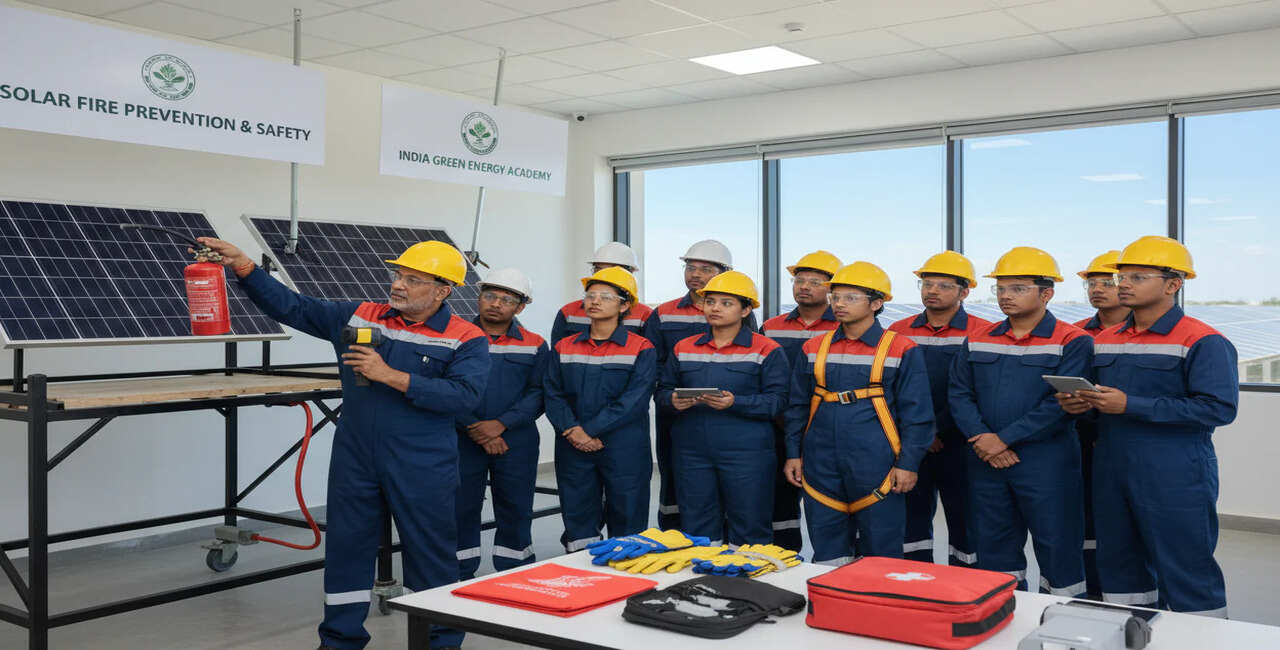
Effective DC solar safety training should cover both theory and hands-on learning. Teams need to know what to do and why they are doing it.
Start with the basics. Every installer should understand voltage, current, resistance, and how DC systems behave differently from AC.
This helps them make better decisions in real time and reduces the chances of mistakes.
Installers should not work blindly. They need to understand how the system is designed, where high voltage points exist, and how energy flows.
This awareness improves both safety and efficiency, and it supports better adherence to electrical safety solar practices.
Before any maintenance or connection work begins, systems must be properly isolated. Lockout and tagout procedures ensure that no one accidentally energizes a system while work is in progress.
Training should include real scenarios so teams can practice these steps confidently.
PPE is the last line of defense, but only when used correctly.
Training should include:
Teams should also learn how to inspect PPE before use.
Every connection matters. Loose cables, incorrect polarity, or rushed installations can create hazards.
Teams should follow strict installer safety protocols, including:
Consistency here reduces long term risks significantly.
Even with precautions, incidents can happen. So teams must know how to respond quickly and effectively.
Training should include:
Prepared teams respond faster, and that can save lives.
While classroom sessions are useful, real learning happens on-site. Teams need to see actual systems, identify risks, and practice safety procedures in real conditions.
A blended approach works best:
This combination ensures that knowledge translates into action.
Even trained teams can make mistakes, especially under pressure. Recognizing these common issues helps prevent them.
When deadlines are tight, teams may skip inspections. But small oversights can lead to big problems.
Not all team members receive the same level of training, and that creates weak points in the process.
Miscommunication between team members can result in unsafe actions, especially during complex installations.
Some workers avoid PPE because it feels uncomfortable, but that increases risk significantly.
Addressing these issues requires continuous training and monitoring.
.png)
Technology plays a big role in improving safety. With better tools and software, teams can plan installations more accurately and reduce on-site risks.
Digital design platforms help identify potential issues before installation begins. They allow teams to visualize layouts, detect shading, and optimize system performance.
This planning reduces guesswork on site, and it supports better implementation of high-voltage PV safety measures.
Consistency is key in safety. Standardized installer safety protocols ensure that every team follows the same steps, regardless of project size or location.
These protocols should cover:
When everyone follows the same process, risks are easier to manage and control.

Safety training should not be a one-time activity. As technology evolves, so do risks. And because of that, teams need regular updates and refresher sessions.
Companies should invest in:
Continuous learning keeps teams sharp, and it ensures that safety standards remain high.
In the solar industry, speed often feels like the top priority. Projects have tight deadlines, and delays can be costly.
But rushing installations without proper safety measures can lead to accidents, and that results in even bigger delays and expenses.
The goal should be to balance efficiency with safety. When teams are well-trained, they work faster and more safely at the same time.
Q. 1 What is DC solar safety training and why is it important?
Ans. It focuses on teaching installers how to safely work with DC systems, and it helps prevent electrical hazards, injuries, and equipment damage.
Q. 2 What makes high-voltage PV systems more dangerous than AC systems?
Ans. DC systems maintain continuous current flow, and that increases the risk of sustained arc faults and electric shocks.
Q. 3 What is arc flash protection in solar installations?
Ans. It involves using protective gear and safe practices to reduce the impact of arc flash events during installation and maintenance.
Q. 4 How often should safety training be conducted for solar teams?
Ans. Training should be done regularly, including refresher sessions, so teams stay updated with the latest safety practices.
Q. 5 What are installer safety protocols in solar projects?
Ans. These are standardized procedures that guide safe installation, testing, and maintenance of solar systems.
.png)
Training ground teams for high voltage DC installations is not just about compliance, it is about protecting people, projects, and long term business success. When teams understand risks, follow proper procedures, and stay updated with best practices, they create safer work environments and more reliable solar systems.
And while training builds the foundation, planning plays an equally important role. With tools like ARKA 360, teams can design systems more accurately and identify potential risks before stepping on site. This reduces uncertainty, improves coordination, and supports safer execution.
In the end, combining strong DC solar safety training with smart planning through solar design software ensures that every installation is not just efficient, but also safe and dependable.

