



Solar sales are moving faster than ever and customer expectations are rising every year. EPCs are handling more leads while also dealing with complex pricing rules and financing questions. In this environment the right quoting platform is no longer optional. It is the engine that drives speed, trust, and growth.
In 2026, solar quoting software must do much more than calculate prices. It must simplify decision making and support customers who think they cannot go solar because of credit challenges. Modern tools now make it possible to present real financing paths even for low or no-credit households.
This guide breaks down the top 7 features every EPC should expect from next-generation quoting platforms so you can scale confidently and close faster.
The solar market is expanding rapidly and quoting pressure is increasing across residential and C&I segments. EPCs are creating more proposals per rep and per day than ever before. At the same time customers expect answers quickly and clearly.
In 2026, solar quoting software 2026 must support turnaround times of under four hours. Anything slower creates friction and lost deals. Lead to quote speed has become a core competitive advantage.
Another challenge is regional incentive complexity. Incentives differ by state utility and financing structure. Manual tracking leads to errors and inconsistent savings estimates.
Manual quoting still relies on spreadsheets and disconnected tools. This causes pricing mistakes, delays and internal confusion. Sales teams lose confidence and customers lose trust.
Modern platforms automate pricing incentives and scenarios so EPCs can focus on educating customers. This is especially important for buyers with low or no credit who need clear financing paths without confusion.
The EPCs that win in 2026 will be the ones that treat quoting as a growth system not a back office task.
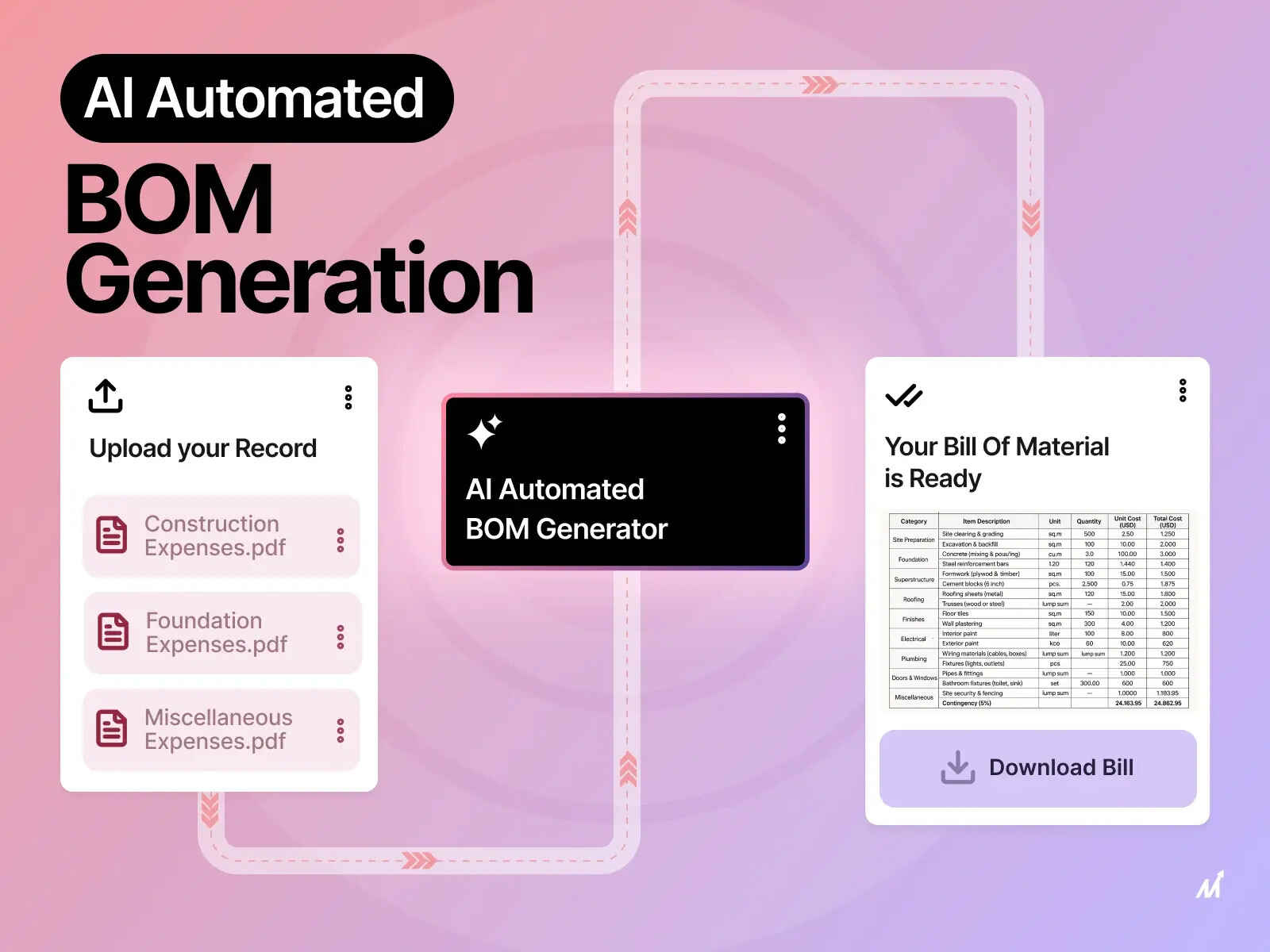
In 2026 quoting software must offer automated pricing and BOM engines that update dynamically based on design inputs. This removes manual data entry, reduces pricing errors and ensures fast accurate quotes across multi-region EPC teams
Accurate pricing is the foundation of every successful quote. In 2026, automated solar quotes must be powered by intelligent pricing and BOM engines that update instantly.
Pricing automation pulls real-time values from centralized product catalogs. When panel types or inverters change the BOM updates automatically. This removes outdated spreadsheets and manual checks. BOM automation ensures labor, materials and balance of system components stay aligned with the design. Sales teams no longer need to double-check part lists or guess pricing.
Role-based approval flows allow managers to review margins without slowing the process. This is critical for EPCs working across multiple regions. Supplier feed integrations further enhance pricing accuracy and reduce procurement risks.
Most importantly automated pricing removes human error and speeds up quoting. This allows sales teams to confidently present options even for customers exploring affordable financing.

One of the biggest barriers to solar adoption is financing confusion. Many customers assume low credit means no solar. This is no longer true.
With solar incentives, automation quoting tools can instantly apply federal, state and utility incentives. This ensures savings numbers are accurate and consistent.
Financing calculators generate loan, lease and PPA scenarios automatically. This allows EPCs to show multiple payment paths side by side. Customers can clearly see monthly costs and long-term savings.
For low or no-credit buyers, alternative financing options become visible instead of hidden. Transparent payback visuals build trust and confidence.
Automated financial modeling also reduces costly errors and internal revisions. Sales reps can focus on education instead of math. By making financing understandable EPCs unlock a much wider customer base and increase conversion rates.
Disconnected tools slow everything down. In 2026 design to quote automation is essential.
Modern platforms allow one click import from design tools. Panel count inverter details, shading yield and production data sync instantly. This reduces dependency on engineers for every change. Sales teams can revise quotes without starting over.
Removing repetitive copy and paste steps saves hours each week. It also reduces the risk of mismatched data between design and pricing. Fast revisions are especially important when customers ask for changes during live calls. Real time updates keep momentum high.
A seamless pipeline from design to quoting to proposal is now a baseline expectation.
Customers rarely choose the first option they see. They want comparisons.
With instant solar quoting, EPCs can toggle between loan cash and PPA options in real time. Bill offset changes, module swaps and inverter upgrades update instantly.
Price sensitivity sliders help customers understand tradeoffs. This empowers informed decisions instead of guesswork.
Fewer back-and-forth emails mean faster closes and happier buyers.
For customers worried about affordability, real time scenario switching shows them flexible paths forward even with limited credit.
Speed, clarity and control define winning sales experiences in 2026.

Static PDFs no longer engage modern buyers. In 2026 interactive solar proposals are a must.
Interactive layouts show 2D or 3D system placement. Customers can visualize panels on their own roof. This reduces uncertainty. Financial charts shading visuals and energy savings bring numbers to life. Customers understand value faster.
White labeled templates reinforce brand trust while mobile friendly pages meet buyers where they are. Interactive proposals significantly improve close rates because customers feel involved rather than sold to.
Clear visuals are especially helpful for first time solar buyers who need reassurance and clarity.
As EPCs scale complexity increases. EPC quoting workflow controls are critical for consistency. Regional pricing and incentives must adjust automatically based on location. This avoids compliance issues and pricing errors.
Role based permissions ensure sales reps, designers and managers see only what they need. Controlled edits protect margins and brand standards. Enterprise level standardization becomes possible without slowing teams down. For EPCs expanding across states, this feature is no longer optional. It is foundational.
Quoting errors can be costly. Quoting compliance tools protect EPCs from risk.
Version control tracks every change made to a quote. Managers can review who changed what and when. Error tracking improves accountability and training. Approval histories support finance and legal reviews. Compliance readiness becomes easier as documentation is built in.
For enterprise EPCs, this feature is essential to scale responsibly and securely.
AI is transforming quoting workflows. With AI solar quoting platforms can auto-draft quotes in minutes. AI suggests pricing based on historical win rates and customer profiles. It predicts preferences and highlights optimal options.
Financing explanations and ROI summaries are generated automatically in clear language. This reduces quoting time dramatically and frees sales teams to focus on relationships. AI does not replace humans. It amplifies speed, accuracy and consistency. In 2026, it becomes a true differentiator.
Q.1) What is the most important feature in a solar quoting tool?
Ans. The most important feature is speed combined with accuracy. EPCs need fast quotes that also show correct pricing incentives and financing options so customers can make confident decisions without confusion.
Q.2) Can quoting software reduce the sales team's workload?
Ans. Yes, modern quoting tools automate pricing calculations, incentive lookups and proposal creation. This removes repetitive manual work and allows sales teams to focus more on customer conversations and closing deals.
Q.3) How accurate are automated pricing engines?
Ans. Automated pricing engines pull data from centralized catalogs and predefined rules. This makes them more accurate than spreadsheets and also ensures pricing stays consistent across teams and regions.
Q.4) Do incentives update automatically across states?
Ans. Advanced quoting platforms automatically apply federal state and utility incentives based on location. This helps EPCs avoid errors and ensures customers always see realistic savings estimates.
Q.5) Is AI reliable for financial modeling?
Ans. AI improves reliability by using historical project data and predefined assumptions. While humans still review final numbers, AI helps generate realistic projections faster and with fewer mistakes.
.png)
By 2026 speed accuracy and experience will decide which EPCs win and which fall behind. Solar quoting software 2026 is no longer just about pricing; it is about guiding customers through clear choices and realistic financing options.
Automated pricing, integrated incentives design to quote workflows and interactive proposals reduce manual effort and errors.
At the same time they help sales teams respond faster and build stronger trust with customers. When quoting becomes simple and transparent EPCs close more projects and scale with confidence.

