


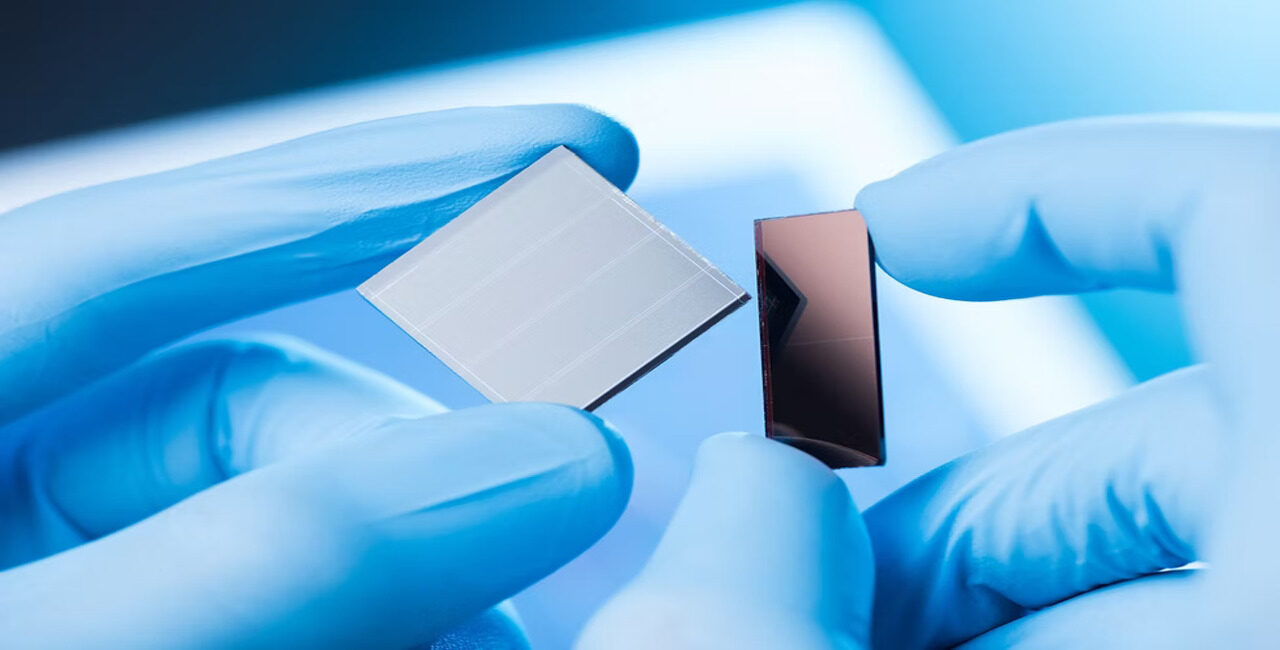
Solar is no longer the underdog in the energy world and that is clear from rooftop farms, factories and even remote villages that are now powered by the sun.
What is exciting today is not just that solar is growing but that next-generation solar panels are changing what is possible. Panels are becoming smarter, thinner, stronger and far more powerful and because of that the pace of solar deployments is accelerating across the world.
So if you are wondering what next-gen solar panel technology is and why everyone is talking about it, this guide will walk you through.
Let us get into it.
Solar demand is rising and not just in big cities but also in small towns and rural areas. People want lower power bills and cleaner power and more control over their energy choices.
At the same time, governments are all for cleaner grids and businesses are under pressure to cut emissions. All of this is a perfect environment for next generation solar panels to take over.
But demand alone is not enough. The real driver is performance. Older panels worked well but they struggled in heat and low light and needed more space. That is why advanced solar panel technology is stepping in to solve these problems and make solar work better in everyday conditions.
This naturally leads us to the big question everyone is asking.
So what is next-gen solar panel technology really about? In simple terms it refers to new panel designs that go beyond traditional silicon cells. These designs use better materials, smarter cell structures and improved engineering to produce more power with less loss.
This is where high efficiency solar panels and new photovoltaic technology come into the picture. Instead of just collecting sunlight these panels are designed to capture more of it and convert it more efficiently.
Add in the latest PV panel innovations like bifacial and tandem cells and you get panels that are built for performance, durability and scale.
Now that we understand what next gen technology means let us look at the biggest benefit it delivers.
Efficiency is the foundation of modern solar growth. The higher the efficiency the more power you get from the same roof or land. That is why high efficiency solar panels are becoming the standard choice for new installations.
Thanks to advanced solar panel technology like improved passivation and lower resistance designs, today’s panels can cross 21 percent efficiency and continue to improve. This means homeowners need fewer panels and businesses can generate more energy from limited space.
And because efficiency directly affects output, it also plays a big role in shaping solar panel technology trends across the industry.
As efficiency improves the type of cells used in solar panels also starts to matter more.
So when people talk about n type vs p type solar panels, what do they mean?
P-type panels are cheaper and widely used but they degrade faster. N-type panels are more stable and perform better in heat and low light. This makes them a better match for next generation solar panels that are designed for long life and higher output.
Because of this, solar panel technology trends show more manufacturers moving toward n-type-based designs.
But cell type is only one part of the story. The way cells are layered also matters.
To understand modern panel design, it helps to know how heterojunction solar panels are explained. These panels combine crystalline silicon with amorphous silicon which allows them to capture more sunlight and reduce energy loss.
This design improves efficiency and stability and that is why the heterojunction is considered a key part of advanced solar panel technology. It also performs well in hot conditions which makes it ideal for many regions.
When people discuss the latest PV panel innovations, heterojunction is always mentioned because it brings lab-level performance into real-world use.
And if heterojunction represents the present, then perovskite represents the future.

For years perovskite was only seen in research labs. Now perovskite solar cells' commercial use is becoming a reality. Perovskite absorbs light very efficiently and can be combined with silicon to create tandem cells.
This is a major step in new photovoltaic technology because it allows panels to capture more of the light spectrum. The result is even higher efficiency and better output.
As durability improves and manufacturing scales perovskite solar cells, commercial use is expected to grow quickly which will strengthen solar panel technology trends.
While perovskite points to the future, there is already a lot happening in the market today.
There is a wave of latest PV panel innovations reshaping how systems are designed. Bifacial panels capture reflected light. Half cut cells reduce resistance. Shingled designs increase active area.
All of these are part of advanced solar panel technology and support the move toward next generation solar panels that are smarter and more productive.
These innovations are not just technical upgrades. They directly affect how systems perform in the real world.
One of the biggest advantages of new photovoltaic technology is that it focuses on real conditions, not just lab results. Panels now perform better in low light and partial shade.
This means higher daily output and more consistent generation. When combined with high efficiency solar panels systems can maintain strong performance throughout the day.
That is why more developers and homeowners are choosing next generation solar panels for new projects.
And this improved performance is also driving growth at a global level.
.png)
If you look at global numbers, you will see that solar panel technology trends are making solar more viable in more places. In hot regions, n-type and heterojunction panels perform better. In cities, high efficiency panels make rooftops more productive.
In large projects latest PV panel innovations like bifacial designs increase yield without increasing land use. All of this makes more projects financially attractive.
As advanced solar panel technology continues to improve, the cost per unit of energy keeps dropping which fuels faster deployment.
This impact is felt clearly by both businesses and homeowners.
For businesses energy is a cost and a risk. Next generation solar panels offer predictable power and better use of roof space. With high efficiency solar panels, factories and offices can generate more from the same area.
For homeowners, advanced solar panel technology means sleeker designs, better durability and lower bills. Many choose N-type designs after comparing n-type vs p-type solar panels for long term value.
This shared benefit across segments is why solar panel technology trends are accelerating adoption everywhere.
And as more people add batteries, this technology becomes even more valuable.
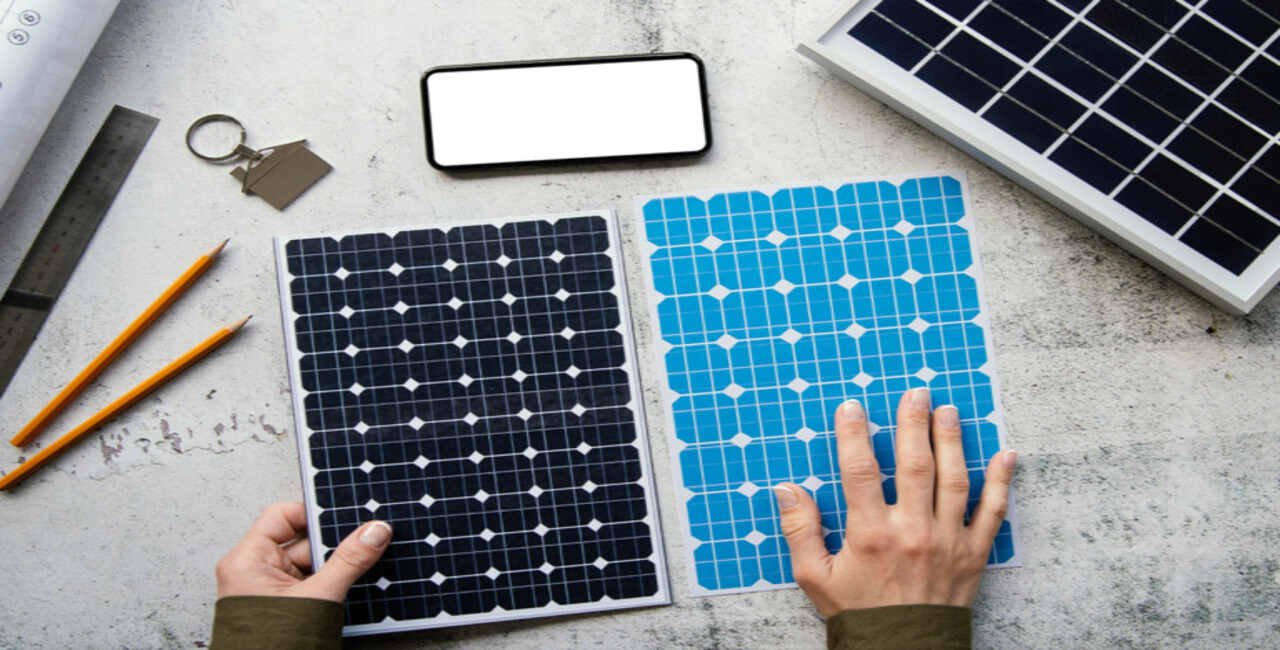
Solar and storage work best together. Next generation solar panels provide more consistent output which helps batteries charge faster and more reliably.
With high efficiency solar panels, storage systems can capture more energy during the day. With advanced solar panel technology, output is stable even in changing conditions.
This strengthens energy independence and makes new photovoltaic technology even more attractive.
Beyond performance there is also a bigger picture to consider.
It is not only about power generation. Next generation solar panels also reduce environmental impact. Higher efficiency means fewer materials per watt. Better durability means less waste.
And as perovskite solar cells' commercial use grows, manufacturing could become less energy-intensive. This supports sustainability goals and strengthens the clean energy case.
All of these factors come together in the final takeaway.
Q. What is next-gen solar panel technology
Ans. Next-gen solar panel technology refers to modern panel designs that use advanced materials and smarter cell structures to deliver higher efficiency and better long term performance.
Q. Why are high efficiency solar panels important for new installations
Ans. High efficiency solar panels produce more power from less space which helps homes and businesses maximize energy generation on limited rooftops and land areas.
Q. What is the difference between n type vs p type solar panels
Ans. N-type panels offer better durability and lower degradation while p-type panels are cheaper but lose efficiency faster over time.
Q. Can you explain heterojunction solar panels in simple words
Ans. Heterojunction solar panels combine two types of silicon to capture more sunlight and reduce energy loss which improves overall output and stability.
Q. Are perovskite solar cells becoming real
Ans. Yes, perovskite solar cells are moving from research labs to early commercial projects and are expected to become more common in the next few years.
.png)
Next generation solar panels are no longer future concepts. They are already reshaping how solar is designed and deployed across homes, businesses and utility projects.
With advanced solar panel technology, high efficiency solar panels, and rapid progress in new photovoltaic technology, solar is becoming more powerful and more practical than ever.
As solar panel technology trends continue to evolve, ARKA 360 helps solar teams design smarter systems and turn these innovations into real projects using modern solar design software at the right stage.

