



The solar industry is expanding quickly and that means more installations, more projects and more demand for solar modules. But with this growth comes a challenge that almost every solar company experiences at some point. That challenge is solar supply chain delays.
If you work in solar installation or project development, you already know how frustrating this can be. A project may be fully designed the permits may be ready and the installation team may be scheduled. Yet everything pauses because the modules have not arrived.
Solar projects depend heavily on timely equipment delivery. When shipments slow down, project timelines shift and customers start asking questions. The good news is that companies can reduce these disruptions by planning smarter and by building a strong module procurement strategy.
In this guide, we will walk through the real reasons behind supply chain disruptions and explore practical ways solar companies can stay prepared. From stronger supplier relationships to better inventory management, there are several ways to keep projects moving even during uncertain times.
To manage delays effectively, we first need to understand why solar supply chain delays happen in the first place.
Solar modules travel through a long supply chain before reaching an installation site. Raw materials are processed, manufacturers produce the modules, distributors manage logistics and installers finally receive them.
When any part of that process slows down, the entire chain is affected.
One major factor is global demand. Solar adoption is increasing across the world and more countries are investing in renewable energy infrastructure. This rising demand sometimes exceeds manufacturing capacity which causes delays.
Another factor is raw material availability. Silicon, aluminum and glass are essential components in module manufacturing. If these materials become limited, production slows down and delivery schedules extend.
Transportation issues also play a role. Shipping congestion, port delays and international logistics challenges can slow deliveries significantly.
These issues may not always be within a company's control but companies can reduce their impact with the right planning.
Many solar companies purchase modules as projects move forward. While this approach works during stable supply periods, it becomes risky during solar supply chain delays.
This is why developing a strong module procurement strategy is essential.
Instead of reacting to module shortages, companies should plan purchases based on future project demand. A clear procurement strategy helps teams anticipate module requirements and secure supply earlier.
A good module procurement strategy focuses on a few key areas.
It includes a forecasting module for demand across upcoming projects. It also involves identifying reliable vendors and planning orders based on installation schedules.
Companies that treat procurement as a strategic process rather than a last-minute task are far better prepared when supply disruptions occur.
One of the smartest ways to reduce procurement risk is by focusing on vendor reliability and solar partnerships.
Working with reliable suppliers means better communication, better delivery timelines and more predictable procurement.
Many solar companies rely on a single supplier because it feels convenient. However, this approach can become risky if that supplier faces production issues or shipping delays.
Instead, companies should maintain relationships with multiple vendors. This improves flexibility and ensures there is always an alternative source of supply.
Strong vendor reliability and solar partnerships also encourage better collaboration. Suppliers who trust your business are more likely to prioritize your orders and communicate early when potential delays arise.
Reliable vendors are not just product providers. They become long-term partners in helping projects succeed.
Inventory is often overlooked in solar businesses. Many companies try to avoid storing modules because storage space and costs can increase operational expenses.
However, when solar supply chain delays occur, companies with zero inventory are the ones that struggle the most.
This is where effective inventory management and solar planning become valuable.
Instead of operating with no buffer stock, companies can maintain a small reserve of frequently used modules. This extra inventory provides flexibility when shipments are delayed.
A thoughtful inventory management solar approach does not mean storing excessive products. It simply means maintaining enough stock to keep projects moving during temporary disruptions.
Companies can also track module usage trends across projects and adjust inventory levels accordingly.
.png)
Another key element of a successful module procurement strategy is demand forecasting.
Solar companies usually manage several projects at different stages, including design, permitting and installation. If procurement teams do not have visibility into the upcoming projects, module shortages can appear suddenly.
Better forecasting helps companies predict module demand weeks or months in advance.
Sales pipelines, project timelines and historical installation data can all provide useful insights. When procurement teams know what projects are coming, they can place orders earlier and secure module supply before shortages occur.
Forecasting also supports better inventory management and solar planning because companies can maintain stock based on expected installation activity.
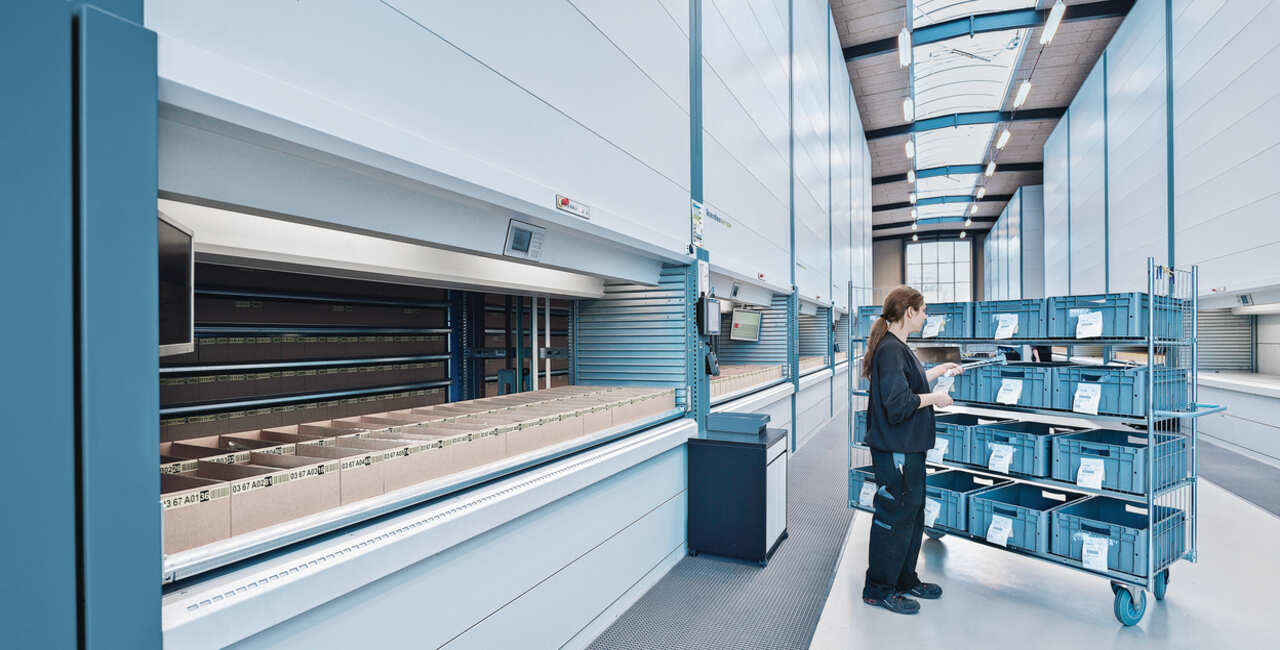
During stable supply conditions, many solar companies order modules only when they are needed. However, this approach becomes risky during solar supply chain delays.
That is why many successful solar businesses rely on bulk ordering modules. Placing larger orders earlier provides several advantages.
First suppliers often prioritize larger orders because they represent significant business value.
Second, bulk ordering modules can reduce overall costs since manufacturers and distributors usually offer better pricing for higher volume purchases.
Third bulk purchasing ensures supply availability when projects are ready for installation.
Of course, bulk purchasing requires careful planning. Companies must balance order quantities with storage capacity and project demand.
But when managed correctly, bulk purchasing can significantly reduce supply risks.
Another effective strategy for managing solar supply chain delays is supplier diversification.
Relying on only one manufacturer or distributor makes businesses vulnerable. If that supplier faces production delays, the entire project pipeline can slow down.
Working with multiple vendors provides more flexibility.
Procurement teams can compare module availability, pricing and delivery schedules across different suppliers.
This approach improves negotiation power while also strengthening overall vendor reliability in solar relationships.
Diversification also ensures access to different module technologies and product options which can help projects remain flexible during procurement challenges.
Solar supply chains are influenced by global market conditions and staying informed about these trends can help companies anticipate potential disruptions.
For example, fluctuations in silicon prices, changes in manufacturing capacity or new trade policies can all impact module availability.
Companies that track these developments can adjust their module procurement strategy earlier and avoid sudden shortages.
Industry reports, manufacturer announcements and renewable energy policy updates can provide valuable insights.
When companies stay informed, they are better prepared to respond quickly to changing supply conditions.
Another factor that often contributes to solar supply chain delays is the lack of coordination between design teams and procurement teams.
Designers sometimes specify modules that are difficult to source quickly. When procurement teams cannot find those exact modules, projects experience delays.
Improved collaboration solves this issue.
Design teams should communicate regularly with procurement teams about module availability and supplier options.
Procurement teams can then provide feedback about which modules are easier to source.
This collaboration ensures that system designs remain practical while procurement timelines stay realistic.
Technology is playing a growing role in managing solar projects and procurement workflows. Modern project platforms allow teams to track projects from design through installation and procurement.
This visibility helps procurement teams anticipate module demand earlier which strengthens their module procurement strategy.
Technology also improves communication between sales, design and procurement teams.
Better coordination supports stronger inventory management, solar practices and reduces the risk of unexpected shortages.
Even with strong planning, solar supply chain delays can still happen. When they do, communication becomes extremely important.
Customers understand that global supply challenges exist but they appreciate transparency and early updates.
Solar companies should inform customers as soon as shipment timelines change. They should explain the reasons behind delays and provide updated installation schedules.
In some cases, offering alternative module options may help projects move forward faster.
Clear communication builds trust and helps maintain positive customer relationships even when challenges arise.
.jpg)
Managing solar module procurement requires more than simply placing orders. It requires planning, coordination and flexibility.
Companies that develop resilient procurement systems are better prepared for unexpected disruptions.
A strong procurement system includes reliable suppliers, strategic inventory management, solar planning and a flexible module procurement strategy.
It also involves maintaining strong vendor reliability, solar partnerships and using smart bulk ordering modules practices when necessary.
When these elements work together, solar companies can keep projects moving even when supply chains become unpredictable.
Q. 1 What are solar supply chain delays?
Ans. Solar supply chain delays occur when module manufacturing, shipping or logistics disruptions slow the delivery of solar equipment needed for installations.
Q. 2 Why is a module procurement strategy important for solar companies?
Ans. A strong module procurement strategy helps companies forecast demand, secure module supply early and reduce risks caused by supply chain disruptions.
Q. 3 How does vendor reliability affect solar projects?
Ans. Strong vendor reliability, solar partnerships ensure better communication, consistent delivery timelines and improved support during supply challenges.
Q. 4 What is inventory management in solar procurement?
Ans. Inventory management for solar involves maintaining strategic module stock levels so projects can continue even when shipments are delayed.
Q. 5 Is bulk ordering modules a good strategy for solar companies?
Ans. Yes, bulk ordering modules can secure supply earlier and often reduce costs but it should be balanced with storage capacity and project demand.
Q. 6 How can solar companies reduce supply chain risks?
Ans. Companies can reduce risks by improving forecasting, diversifying suppliers, strengthening vendor relationships and maintaining better inventory planning.
.png)
Supply disruptions have become a reality for many solar businesses and solar supply chain delays can affect project timelines, profitability and customer satisfaction. However, companies that prepare ahead are far better equipped to handle these challenges.
Planning, coordination and communication are the keys to building a resilient procurement system.
ARKA 360 supports solar teams by improving project visibility, design workflows and collaboration across departments. With better planning tools and streamlined processes, solar companies can prepare installations more efficiently using advanced solar design software.

